General Insurance for life such as auto insurance, home insurance, car insurance, holiday insurance, content insurance, motor insurance, online insurance, insurance comparison sites

 
Showing posts with label Car Insurance. Show all posts

Usage-Based Car Insurance: How Telematics Is Changing Auto Premiums in 2025

In 2025, the auto insurance industry is undergoing a dramatic transformation—and usage-based car insurance (UBI) is leading the charge. Powered by telematics technology, this innovative insurance model allows providers to calculate premiums based on real driving behavior rather than general statistics.

Whether you're a safe driver or looking to cut insurance costs, UBI could be your smartest move this year. In this article, we’ll break down how telematics is revolutionizing auto insurance premiums in 2025, what it means for drivers, and how you can benefit from it.


📡 What Is Usage-Based Insurance (UBI)?

Usage-Based Insurance (UBI), also known as pay-as-you-drive (PAYD) or pay-how-you-drive (PHYD), is a policy type where your driving habits directly influence your insurance premiums.

Key Factors Telematics Monitors:

  • Mileage driven

  • Speed and acceleration patterns

  • Hard braking or cornering

  • Time of day (e.g. night vs. day driving)

  • Phone usage while driving (distracted driving)

UBI uses telematics devices, often installed in your vehicle or built into a mobile app, to track and send this data securely to your insurance provider.


🔍 How Telematics Works in 2025

Telematics systems have evolved far beyond simple GPS trackers. In 2025, most modern vehicles come with built-in telematics units, or drivers can opt for plug-in OBD-II devices or smartphone apps.

Real-Time Data, Smarter Premiums

The insurer collects this data in real-time and uses AI-powered algorithms to assess your driving risk. Safe and responsible drivers receive lower premiums, while risky behavior may result in higher costs or even loss of discount eligibility.


Examples of Telematics Programs in 2025:

Insurance Provider Program Name Features
Progressive Snapshot® Mobile app tracking, up to 30% discount
Allstate Drivewise® Real-time feedback, cash rewards
State Farm Drive Safe & Save™ Tracks via mobile app or connected car
Nationwide SmartRide® Personalized feedback, instant savings

💰 Benefits of Usage-Based Insurance in 2025

1. Lower Premiums for Safe Drivers

UBI rewards good driving behavior. Some drivers report up to 40% in savings.

2. Personalized Pricing

Your rates are based on how you actually drive—not your age, ZIP code, or gender.

3. Improved Driving Habits

Real-time feedback encourages safer driving, helping reduce accidents.

4. Transparency

Drivers can track their scores and understand exactly how their rates are calculated.

5. Eco-Friendly Incentives

Lower mileage and smoother driving reduce fuel consumption and emissions—some insurers even offer green driving bonuses.


⚠️ Challenges and Considerations

While UBI is promising, it’s not for everyone. Here’s what to consider:

  • Privacy Concerns: Your driving data is tracked and stored, which raises data security issues.

  • Risk of Rate Increases: Aggressive driving can lead to higher premiums.

  • Limited Availability: Not all insurers offer UBI in every state or for all vehicle types.

  • Battery Drain (for mobile apps): Continuous tracking can affect your phone’s battery life.


🧠 Who Should Use Telematics-Based Insurance?

UBI is ideal for:

  • Low-mileage drivers (e.g., remote workers)

  • Students and retirees

  • Cautious, defensive drivers

  • Eco-conscious consumers

  • Tech-savvy drivers who want real-time insights
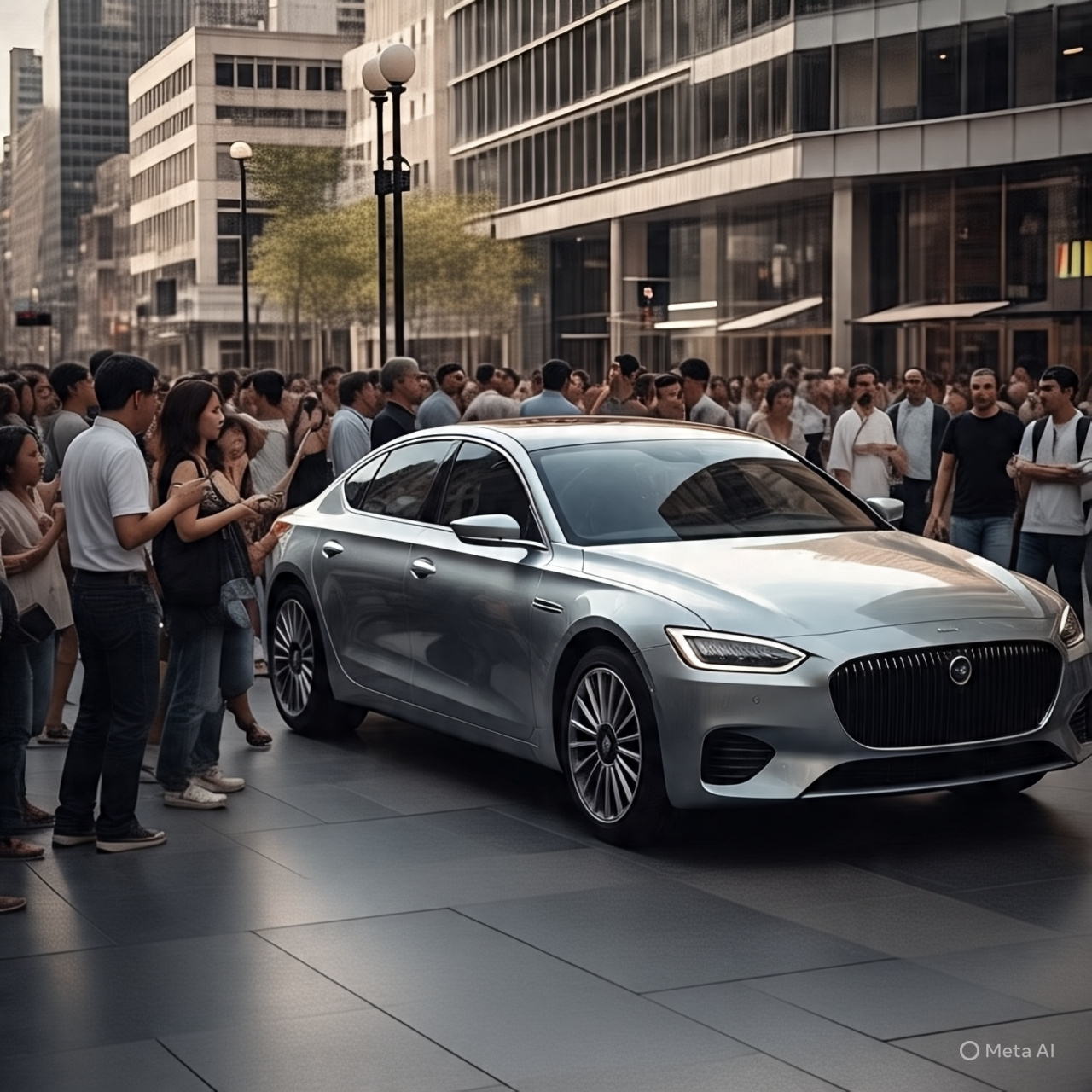


📈 Market Trends: UBI in the US Auto Insurance Industry (2025)

  • Over 45% of drivers in the US are enrolled in some form of UBI program in 2025.

  • EV and hybrid owners are the fastest-growing segment using telematics.

  • Regulators in states like California, Texas, and New York are revising rules to expand UBI offerings.


🛠️ How to Enroll in a UBI Program

Step-by-Step Guide:

  1. Choose an insurer that offers UBI (Progressive, GEICO, State Farm, etc.)

  2. Install the telematics device or app provided by your insurer.

  3. Drive normally for the monitoring period (usually 30–90 days).

  4. Receive a driving score and your adjusted premium.

  5. Review your dashboard regularly to track and improve your score.


📌 Best Practices to Maximize Savings with UBI

  • Avoid sudden stops and aggressive accelerations

  • Drive during safer hours (avoid late-night driving)

  • Limit mileage when possible

  • Stay focused—don’t use your phone while driving

  • Check your driving score regularly via your insurer’s app


✅ Final Thoughts

Usage-based car insurance is no longer a niche option—it’s the future of auto coverage in 2025. With personalized pricing, real-time feedback, and eco-conscious benefits, telematics is empowering safer, smarter, and more affordable driving.

If you're a cautious driver who values transparency and control over your expenses, enrolling in a UBI program could mean significant savings—and a better driving experience overall.


🔍 Frequently Asked Questions (FAQ)

Q: Will telematics increase my car insurance rates?
A: Not always. Rates typically only go up if the data shows risky driving habits.

Q: Is my driving data safe?
A: Most major insurers follow strict data protection protocols, but it’s best to read their privacy policy.

Q: Can I opt out of UBI once I’ve enrolled?
A: Yes, but your discount may be removed, and you'll revert to a traditional policy rate.

How to Insure an Electric Vehicle in 2025: A Complete and Updated Guide

Electric vehicles (EVs) are dominating the automotive market in 2025, driven by rising fuel costs, stricter environmental regulations, and significant advancements in battery technology. If you're among the millions switching to an EV this year, understanding how to insure an electric vehicle in 2025 is critical to protecting your investment.

In this ultimate guide, we’ll walk you through everything—from key coverage options, cost-saving strategies, and top EV-friendly insurance providers, to tips for getting the best rate and staying compliant with 2025 EV insurance regulations.


🚘 Why Insuring an EV Is Different in 2025

EVs aren’t just traditional cars with electric motors—they’re rolling computers with advanced systems. This makes electric car insurance more complex.

Key differences include:

  • Higher vehicle value: EVs typically cost more upfront.

  • Battery-centric repairs: The battery pack can cost $5,000–$20,000 to replace.

  • Specialized repair networks: Not all mechanics can work on EVs.

  • Embedded software risks: Some insurers factor in cybersecurity vulnerabilities.

⚡ 2025 Trends Influencing EV Insurance

  • AI-based underwriting: Insurance companies now use AI to assess EV data from vehicle sensors.

  • Carbon footprint incentives: Some insurers offer green discounts for EV drivers.

  • Battery-as-a-service (BaaS): Subscription-based battery plans change how insurers value EVs.


💸 What Affects Electric Vehicle Insurance Costs in 2025?

Understanding these factors helps you better manage your premium:

Factor Impact on Premium
Make & Model Luxury EVs (like Tesla Model S or Lucid Air) cost more to insure.
Battery Capacity Bigger batteries increase replacement risk, raising premiums.
Charging Setup Home chargers need separate coverage.
Driving Behavior Telematics and UBI programs reward safe driving with lower rates.
Repair Network Access Living near authorized EV repair shops may reduce costs.

✅ Must-Have Insurance Coverage for EVs

To fully protect your electric vehicle, make sure your policy includes these components:


1. Comprehensive Coverage

Protects against non-collision events such as fire, flood, vandalism, or theft—including cable theft, which is increasingly common.

2. Collision Coverage

Covers repairs after accidents, regardless of fault.

3. EV Battery Protection

Standard policies may exclude the battery. Add battery-specific riders to cover replacement or degradation-related issues.

4. Charging Equipment Coverage

Covers damage to home charging stations, portable chargers, and wall-mounted units from surges, vandalism, or fire.

5. Cybersecurity Coverage

With EVs connected to cloud services, cyberattack protection is increasingly essential in 2025.

6. Roadside Assistance for EVs

Includes flatbed towing (safer for EVs), emergency charging, and software diagnostics.


🔍 Top 5 Insurance Companies for EVs in 2025

Here are top-rated EV insurers in 2025 based on customer reviews, claim process, and EV-specific features:

Company Key Features
Tesla Insurance Real-time driving behavior tracking, low premiums for Tesla owners.
GEICO EV equipment protection, flexible payment plans, app-based claims.
Progressive Bundling discounts, Snapshot program for safe EV drivers.
Allstate Offers Eco Car Discount and battery repair coverage.
State Farm Excellent customer support, extensive repair network for EVs.

💡 Tips to Reduce Your EV Insurance Premium in 2025

Want to save on your EV insurance? Follow these expert tips:

  1. Enroll in Usage-Based Insurance (UBI)
    Safe drivers can save up to 25% using telematics programs like Drivewise (Allstate) or Snapshot (Progressive).

  2. Bundle Your Policies
    Combine your home, life, and auto insurance to unlock multi-policy discounts.

  3. Choose a Safe and Affordable EV
    Vehicles like the Hyundai IONIQ 6 or Chevy Bolt EUV are cheaper to insure than luxury EVs.

  4. Install Anti-Theft and Battery Monitoring Systems
    Many insurers offer discounts for enhanced security systems.

  5. Increase Your Deductible
    Raising your deductible from $500 to $1,000 can lower monthly premiums.


🌍 Government Incentives for EV Insurance in 2025

Depending on your region, you might qualify for:

  • Insurance tax rebates

  • EV-specific liability waivers

  • Discounted premiums for zero-emission vehicles

  • Subsidies for home charger installation insurance

Check with your local Department of Motor Vehicles (DMV) or environmental agency for the latest programs.


🔄 Regularly Review and Update Your Coverage

As EV tech evolves, so should your insurance:

  • Update your insurer if you replace your battery, install a new charger, or switch to a different BaaS plan.

  • Review your policy annually to check for better deals or updated coverage terms.

  • Ensure your policy supports OTA (Over-the-Air) vehicle software updates, which can affect vehicle safety and value.


✅ Final Checklist Before Buying EV Insurance in 2025

  • Compare quotes from at least 3 EV-specialized insurers

  • Ensure battery, charger, and software coverage is included

  • Ask about eco-discounts or green vehicle rebates

  • Confirm roadside assistance includes EV-compatible services

  • Review fine print about cybersecurity and software updates


📌 Conclusion

In 2025, insuring your electric vehicle isn’t just a legal necessity—it’s a smart way to protect your high-tech, eco-conscious investment. With the right information, you can secure a policy that’s comprehensive, affordable, and tailored to your driving lifestyle.

Whether you’re driving a Tesla, a Rivian, or a Nissan Leaf, the key to success is staying informed, proactive, and insured.


🔍 Frequently Asked Questions (FAQ)

Q1: Do EVs have higher insurance rates in 2025?
A: Generally yes, due to battery costs and repair complexities. But discounts and incentives are helping narrow the gap.

Q2: Is home charger insurance included?
A: Not by default. Ask your provider to include charger equipment protection.

Q3: Does Tesla offer its own insurance?
A: Yes. Tesla Insurance is available in multiple states and integrates with vehicle safety data.

Q4: Are subscription-based EVs harder to insure?
A: Not harder, but policies may differ based on who owns the battery (you or the provider).

Best Commercial Auto Insurance for Delivery and Rideshare Drivers (2025 Guide)

Are you a rideshare or delivery driver wondering if you’re fully covered on the road? Whether you drive for Uber, Lyft, DoorDash, Grubhub, Instacart, or Amazon Flex, having the right commercial auto insurance is critical to protect your vehicle, income, and legal standing.

In this 2025 guide, we’ll break down the best commercial auto insurance for delivery drivers and rideshare professionals, compare top providers, and help you choose the most affordable, high-coverage option that meets your needs.


What Is Commercial Auto Insurance and Why Do Gig Drivers Need It?

Commercial auto insurance is designed to cover vehicles used for business purposes—like ridesharing or food delivery. Standard personal auto insurance policies typically exclude commercial use, which means you could be left unprotected during an accident while on the job.

Key reasons to get commercial vehicle insurance:

  • Personal policies do not cover business-related driving

  • Platform-provided coverage (Uber, Lyft) has coverage gaps

  • Protects against liability, vehicle damage, and medical costs

  • Required by law or platform terms in some states

Without proper coverage, one accident can lead to thousands in damages, medical bills, or lawsuits.


5 Best Commercial Auto Insurance Providers for Rideshare & Delivery Drivers

Here are the top-rated insurance companies offering commercial and hybrid rideshare insurance policies in 2025:


1. Progressive Commercial Auto Insurance

Best overall for flexibility and affordability

Progressive is a leader in gig economy auto coverage, offering customized policies for delivery and rideshare drivers. Their commercial plans are widely available and offer strong protection at competitive rates.

Pros:

  • Hybrid coverage for personal and commercial use

  • 24/7 claims support

  • Discounts for safe drivers

Best for: Full-time Uber, Lyft, or DoorDash drivers looking for reliable, flexible coverage.


2. GEICO Rideshare Insurance

Best for seamless coverage and low rates

GEICO offers one of the most affordable rideshare insurance options, blending personal and commercial coverage into one policy. No need for two separate policies or switching between phases of your drive.

Pros:

  • Continuous protection

  • Budget-friendly premiums

  • Great for part-time drivers

Best for: Drivers who want simplicity and affordability.


3. State Farm Rideshare Driver Coverage

Best for customer service and claims

State Farm offers a Rideshare Driver Add-On that extends your personal policy for commercial use, ensuring you're covered even during app-on and waiting periods.

Pros:

  • Personalized service

  • Strong nationwide network

  • Smooth claims experience

Best for: Drivers who value trusted support and local agents.


4. Allstate Ride for Hire

Best for part-time delivery drivers

Allstate’s Ride for Hire coverage is perfect for those working a few hours a week with platforms like Uber Eats or Instacart. It fills the coverage gaps during the “app-on” period before a ride or delivery is accepted.

Pros:

  • Low-cost add-on

  • Available in most U.S. states

  • Easy to manage through your existing Allstate policy

Best for: Weekend or part-time drivers.


5. Farmers Commercial Auto Insurance

Best for high-mileage professional drivers

Farmers Insurance offers fully tailored commercial auto policies for drivers who spend long hours on the road. Ideal for full-time Amazon Flex drivers or multi-platform gig workers.

Pros:

  • Wide coverage options

  • Ideal for vans and large delivery vehicles

  • Responsive claims team

Best for: High-volume, full-time delivery pros.


What to Look For in the Best Commercial Auto Insurance Policy

To find the best value commercial car insurance, keep these key points in mind:

  • Coverage type: Liability, comprehensive, collision, uninsured motorist, and roadside assistance

  • Policy flexibility: Hybrid or full commercial options depending on your schedule

  • Premiums & deductibles: Balance affordability with protection

  • Claims experience: Fast, simple claims processing is essential

  • Company reputation: Check reviews, customer satisfaction, and availability in your state


How Much Does Commercial Auto Insurance Cost?

The average cost of commercial auto insurance for rideshare or delivery drivers ranges between $100 to $300 per month, depending on:

  • Driving history

  • Vehicle type

  • State regulations

  • Driving hours and mileage

  • Chosen coverage limits

Pro tip: Bundle your commercial policy with home or renters insurance for discounts.


How to Get the Best Rate for Rideshare or Delivery Insurance

  1. Compare quotes from multiple insurers online

  2. Choose a higher deductible to lower monthly payments

  3. Maintain a clean driving record to unlock discounts

  4. Ask about gig-driver specific policies or endorsements

  5. Avoid lapses in coverage to prevent higher rates


Final Thoughts: Don’t Drive Without the Right Insurance

If you’re working in the gig economy, commercial auto insurance isn’t just a smart investment—it’s a necessity. Without it, you risk denied claims, financial loss, and legal issues.

Take control of your protection today by comparing the best commercial auto insurance for delivery and rideshare drivers. Whether you're part-time or full-time, there's a policy out there that fits your budget and driving habits.

Ready to get covered?
Start comparing commercial auto insurance quotes now and stay protected every mile of the way.


What to Do After a Car Accident in Texas: Insurance Tips for Local Drivers

Car accidents are an unfortunate reality on Texas roads. From Houston to Dallas, and Austin to San Antonio, knowing exactly what to do after a car accident in Texas can make all the difference in protecting your legal rights and getting your insurance claim approved quickly.

In this guide, we provide Texas-specific steps and insurance tips to help you navigate the aftermath of a crash confidently and legally.


1. Check for Injuries and Call 911 (Texas Law Requires It)

Under Texas Transportation Code §550.026, you're legally required to report any accident involving injury, death, or damage that prevents a vehicle from being safely driven. Call 911 immediately to report the crash and request medical assistance if anyone is hurt.

This step is critical, especially on major highways like I-35 or I-45, where high-speed traffic can pose additional risks.


2. Move to a Safe Area If You Can

If your accident occurred in a busy area like downtown Dallas or near a rural highway, move your vehicle off the road if it’s safe to do so. Texas law allows you to move vehicles to prevent further danger or congestion.

Turn on hazard lights to alert other drivers, especially at night or in low-visibility weather.


3. File a Police Report in Texas

In cities like Houston and Austin, police officers may only respond to major accidents, but you’re still required to file a report if:

  • There are injuries or fatalities

  • Property damage appears to exceed $1,000

  • The vehicles can’t be moved

Ask the officer for the Texas Crash Report (CR-3) and note the case number. You can later access the report through the Texas Department of Transportation Crash Records System (CRIS).


4. Exchange Information with the Other Driver

Exchange these details:

  • Full name and Texas driver’s license number

  • Insurance provider and policy number

  • Vehicle license plate and VIN

  • Contact info (address, phone)

  • Location of the crash (e.g., I-10 and Loop 1604 in San Antonio)

Be polite, but don’t admit fault — even if you think you’re partially responsible.


5. Take Photos and Document the Scene

Texas insurance companies often rely heavily on photo documentation. Take clear photos of:

  • All vehicle damage

  • Road conditions (construction zones, traffic signs)

  • Injuries, if any

  • Other driver’s documents

  • The wider scene if you're in high-traffic areas like Katy Freeway or Mopac Expressway


6. Contact Your Texas Auto Insurance Provider Promptly

Texas insurers like State Farm, GEICO, Progressive, and USAA all recommend reporting the crash as soon as possible. Use their mobile apps or websites to start the claim.

In Texas, the minimum auto insurance includes:

  • $30,000 for bodily injury per person

  • $60,000 per accident

  • $25,000 for property damage

But many drivers carry more than the minimum, and it's important to know your optional coverage like:

  • Personal Injury Protection (PIP)

  • Uninsured/Underinsured Motorist Coverage

  • Collision and Comprehensive


7. Track Everything and Follow Up

Keep copies of:

  • The police crash report

  • All repair invoices or estimates

  • Medical treatment costs

  • Communication with your Texas insurer

This documentation is vital if you later need to work with a Texas personal injury attorney or dispute a claim.


Extra Tip: What if the Other Driver is Uninsured in Texas?

Unfortunately, Texas has one of the highest rates of uninsured drivers. If you're hit by someone without insurance, your Uninsured Motorist Coverage (UM/UIM) may help cover your expenses. File a claim with your insurer and provide as much evidence as possible.


Final Thoughts: Be Prepared for Texas Roads

Whether you're navigating the congestion in Houston or driving long stretches of I-20 through West Texas, accidents can happen. Knowing what to do after a car accident in Texas ensures you're legally compliant and protected financially.


Bonus: Compare Texas Auto Insurance Quotes Online

Texas drivers can often save hundreds by comparing car insurance providers. Use a licensed, Texas-based insurance comparison tool to find policies that offer better coverage at lower rates.


Top 5 Cheapest Electric Cars to Insure in 2025

As the electric vehicle (EV) market continues to expand in 2025, more drivers are looking for affordable options that not only save on fuel but also offer low insurance premiums. While EVs were once associated with high insurance costs, the landscape is changing. Several budget-friendly models now provide excellent coverage at surprisingly low rates.

If you're considering going electric and want to keep your insurance premiums in check, here are the top 5 cheapest electric cars to insure in 2025.


1. Nissan Leaf

Average Annual Insurance Cost: $1,150
Starting Price: $29,000 (approx.)

The Nissan Leaf continues to be one of the most economical EVs on the road. Known for its reliability and user-friendly design, the Leaf is also one of the cheapest electric cars to insure in 2025. Its strong safety ratings, affordable repair costs, and broad availability of parts make it a top pick for cost-conscious drivers.

Why it’s cheap to insure:

  • Excellent crash test ratings

  • Low repair and replacement costs

  • Popular with insurers due to predictable risk factors


2. Chevrolet Bolt EV

Average Annual Insurance Cost: $1,200
Starting Price: $27,500 (approx.)

The Chevrolet Bolt EV has carved out a loyal following due to its impressive range and compact size. Insurance companies love the Bolt because it's equipped with advanced safety tech and is relatively inexpensive to repair.

Why it’s cheap to insure:

  • Compact design reduces accident severity

  • Advanced safety features lower risk

  • Strong consumer satisfaction


3. Hyundai Kona Electric

Average Annual Insurance Cost: $1,250
Starting Price: $33,000 (approx.)


With its stylish SUV look and efficient performance, the Hyundai Kona Electric stands out in the crowd. It strikes a balance between range, comfort, and cost—both on the lot and in the insurance world.

Why it’s cheap to insure:

  • Solid safety ratings

  • Popular among young families

  • High reliability rating reduces claims


4. Mini Cooper SE

Average Annual Insurance Cost: $1,100
Starting Price: $30,000 (approx.)

The Mini Cooper SE is not just fun to drive—it’s also light on your wallet when it comes to insurance. This zippy little car is among the cheapest electric vehicles to insure in 2025, thanks to its small size and lower risk profile.

Why it’s cheap to insure:

  • Lightweight design means fewer severe accidents

  • High-tech safety suite

  • Urban-friendly and low theft rates


5. Tesla Model 3 (Base Model)

Average Annual Insurance Cost: $1,300
Starting Price: $35,000 (approx.)

Yes, even a Tesla made the list! While Tesla models are generally known for higher insurance premiums, the base Model 3 in 2025 benefits from better affordability, Tesla’s in-house insurance options in some regions, and a solid safety record.


Why it’s cheap to insure (comparatively):

  • Built-in driver assistance systems

  • Tesla Insurance available in more states

  • Strong crash safety and repair infrastructure


Tips to Save Even More on EV Insurance

  • Bundle policies: Combine your auto and home insurance for discounts.

  • Increase your deductible: A higher deductible lowers your monthly premium.

  • Take advantage of EV-specific discounts: Many insurers now offer lower rates for eco-friendly vehicles.

  • Maintain a clean driving record: Safe driving always pays off.


Final Thoughts

Electric vehicles are no longer a luxury for the few—they’re a smart choice for anyone looking to save money, especially on insurance. With the right model, you can enjoy emission-free driving while keeping your annual costs low.

Choosing one of the cheapest electric cars to insure in 2025 not only benefits your wallet but also contributes to a more sustainable future. Ready to make the switch?

Don’t forget to compare quotes and explore all your options before you buy—saving hundreds per year is just a few clicks away.

Are Self-Driving Cars Cheaper to Insure? Here’s What You Need to Know

Self-driving cars, also known as autonomous vehicles (AVs), are revolutionizing the automotive industry. While the promise of reduced accidents and improved road safety is exciting, one of the most frequently asked questions is: Are self-driving cars cheaper to insure?

The short answer: Not yet—but that could change in the near future.

In this article, we’ll break down how autonomous vehicle insurance works, the current pricing trends, and what factors are influencing rates.

What Are Self-Driving Cars?

Self-driving cars use advanced technologies such as LiDAR sensors, radar, GPS, and artificial intelligence (AI) to navigate roads with little to no human intervention. According to the Society of Automotive Engineers (SAE), there are 6 levels of automation:

  • Level 0: No automation

  • Level 1: Driver assistance

  • Level 2: Partial automation (e.g., adaptive cruise control)

  • Level 3: Conditional automation

  • Level 4: High automation

  • Level 5: Full automation (no human input required)

Most self-driving features available today are between Level 2 and Level 3.


How Insurance for Self-Driving Cars Works

Traditional car insurance models focus on human error. But autonomous vehicles shift that risk. Instead of driver behavior, insurers must now account for software reliability, hardware performance, and manufacturer liability.

Key Factors Insurers Consider:

  1. Accident Reduction Potential: AVs can minimize human errors such as distracted or drunk driving.

  2. Technology Repair Costs: Sensors and cameras are expensive to repair or replace.

  3. Liability Shifts: Accidents caused by system malfunctions could involve the manufacturer or software provider.

  4. Lack of Historical Data: With limited real-world accident data, insurers are cautious in pricing.


Current Insurance Rates for Self-Driving Cars

Are They Cheaper Right Now?

Currently, insurance for self-driving or semi-autonomous vehicles tends to be equal to or slightly more expensive than traditional vehicles.

Why?

  • Repair Complexity: Even minor accidents can lead to costly tech replacements.

  • Unknown Risk Profiles: Insurers lack long-term accident and usage data.

  • Liability Ambiguity: Legal frameworks for fault are still evolving.

However, some insurance companies offer discounts for cars with advanced safety features like lane assist, automatic emergency braking, and collision avoidance systems.


Which Companies Offer Self-Driving Car Insurance?

Here are a few insurance providers currently working on or offering AV coverage:

  • Tesla Insurance: Tesla offers in-house insurance using real-time driving data.

  • Progressive and GEICO: Offer discounts for driver-assist features.

  • State Farm and Allstate: Developing data-driven, usage-based insurance models for AVs.

  • Insurtech Startups: Companies like Root and Metromile are innovating usage-based models tailored to autonomous features.


Pros and Cons of Insuring Self-Driving Cars

Pros Cons
Potentially fewer accidents High repair costs for sensors
Discounts for safety features Legal uncertainty around liability
Usage-based pricing options Limited long-term data for insurers

How Much Could You Save in the Future?

As more data becomes available and technology matures, insurance costs are expected to decline. Industry experts predict a 30–40% drop in premiums once self-driving technology becomes mainstream and proven safe.


Tips to Lower Insurance for Your Autonomous Vehicle

  1. Choose vehicles with proven safety records

  2. Enable and use all ADAS features consistently

  3. Shop for insurance that rewards data-driven safe driving

  4. Check for discounts from manufacturers and insurers

  5. Install black-box devices (if allowed) for usage-based pricing


Frequently Asked Questions (FAQs)

Q: Can I insure a fully autonomous car today?

A: Yes, but options are limited. Most policies are still designed around human drivers and may need customization.

Q: Do self-driving features lower insurance premiums?

A: Some insurers offer discounts for advanced driver-assist systems, but the savings depend on the provider and vehicle model.

Q: Who is liable in an accident involving a self-driving car?

A: Liability can shift to the manufacturer or software provider, especially in higher levels of automation. This is an evolving legal area.

Q: Are autonomous vehicles safer than regular cars?

A: Early data suggests AVs may reduce accidents caused by human error, but more real-world testing is needed.


Conclusion: Is It Worth It?

So, are self-driving cars cheaper to insure? Right now, not significantly. But with rapid advancements in AI, legal clarity, and insurance innovation, the future points to lower premiums—especially as accident rates decline and tech becomes more reliable.

If you’re an early adopter, it’s wise to compare quotes, understand your vehicle’s level of automation, and stay informed about changing insurance models.


The Ultimate Guide to Electric Vehicle Insurance: How EVs Are Reshaping the Future of Auto Coverage

Introduction: The Rise of EVs and What It Means for Insurance

Electric vehicles (EVs) are no longer a futuristic concept—they’re here, and they’re rapidly gaining market share. From Tesla to Hyundai to BYD, carmakers are pushing the transition to clean energy, and governments are offering incentives for going electric. But while the benefits for the environment are clear, one question remains: How do EVs impact your car insurance?

This ultimate guide dives deep into everything you need to know about electric vehicle insurance—costs, benefits, risks, and how to choose the right coverage.


Chapter 1: Why Electric Vehicles Affect Insurance Differently


EVs come with unique characteristics that influence how insurance companies evaluate risk and determine pricing.

Key Differences:

  • High repair and part replacement costs (especially batteries)

  • Advanced onboard technology (sensors, ADAS, autopilot)

  • Limited repair networks and longer repair timelines

  • Cybersecurity and software update risks

These differences create new underwriting challenges for insurers.


Chapter 2: Are Electric Vehicles More Expensive to Insure?

Average Cost of EV Insurance:

EVs typically carry 10%–20% higher premiums than comparable gas-powered cars. This is due to:

  • Expensive batteries (often $5,000+ to replace)

  • High-tech features that cost more to repair

  • Specialized mechanics needed for EVs

Example Comparison:

Vehicle Average Annual Insurance
Tesla Model 3 $1,800 – $2,300
Honda Accord (Gas) $1,400 – $1,700

Note: Prices vary by region, insurer, and driver profile.


Chapter 3: Key Insurance Coverage Types for EV Owners


When insuring your EV, consider the following essential types of coverage:

1. Comprehensive Coverage

Protects your EV from non-collision incidents (theft, fire, weather, etc.).

2. Collision Coverage

Covers damages from collisions with other vehicles or objects.

3. Battery Protection

Some insurers offer add-ons that specifically cover battery repair or replacement, outside of manufacturer warranties.

4. Charging Equipment Coverage

Insures home charging stations or public charger-related damages.

5. Roadside Assistance for EVs

Includes battery depletion towing and EV-specific support.


Chapter 4: New Risks and Trends in EV Insurance

1. Cybersecurity and Hacking

Connected EVs face threats from software vulnerabilities. Insurance may cover losses from cyberattacks.

2. Autonomous Driving Complications

If a self-driving system causes an accident, liability may shift to the manufacturer. Some policies are adapting to address this.

3. Home Charging Fires

Insurers may ask about your electrical setup before providing coverage due to increased risk of fires.


Chapter 5: How to Save Money on EV Insurance

Despite higher premiums, there are several strategies to reduce costs:

  • Ask for green vehicle discounts (up to 10%)

  • Bundle policies (home + auto)

  • Use telematics to track safe driving

  • Increase your deductible (with caution)

  • Compare EV-friendly insurers with experience in electric vehicle claims


Chapter 6: Best Car Insurance Companies for EVs (2025 Update)

Some insurers are ahead of the curve when it comes to EV coverage:

Insurer EV-Specific Benefits
Progressive EV charging equipment coverage
GEICO Green vehicle discount
Tesla Insurance Built-in ADAS integration, fast claims
State Farm Competitive rates for EV drivers

Always compare quotes and coverage terms, as availability varies by location.


Chapter 7: The Future of EV Insurance

With the global push for carbon neutrality, expect to see:

  • More tailored EV insurance products

  • Dynamic, usage-based pricing models

  • Increased integration with vehicle software for real-time risk assessment

  • Greater emphasis on cybersecurity protection


Conclusion: Insuring Your EV the Smart Way

As electric vehicles become the new normal, understanding how insurance works is essential for protecting your investment. Whether you're buying your first EV or switching insurers, make sure your coverage reflects the unique risks and benefits of electric driving.

Ready to switch? Compare EV insurance quotes today and drive cleaner—with confidence.


Related Articles You Should Read Below:

  • "Top 5 Cheapest Electric Cars to Insure in 2025"

  • "EV Battery Warranty vs. Insurance: What’s the Difference?"

  • "How to Install a Home Charger and What Your Insurance Covers"

  • "Are Self-Driving Cars Cheaper to Insure?"


How to Get Cheap Car Insurance Without Compromising Coverage (U.S. Guide)

Car insurance in the United States is not only a legal requirement in nearly every state—it's also essential for your financial protection. However, that doesn’t mean you should pay more than necessary. Many Americans overpay for auto insurance without realizing there are smart ways to cut costs while keeping strong coverage.

This comprehensive guide explains how to get cheap car insurance in the U.S. without sacrificing the protection you need. Whether you’re in California, Texas, Florida, New York, or anywhere in between—these proven strategies can help.


Why Car Insurance Costs Vary Across the U.S.

Before diving into money-saving tips, it's important to understand that car insurance rates vary by state, city, and even ZIP code. Factors that influence your rate include:

  • State laws and minimum coverage requirements

  • Local accident and theft rates

  • Weather risks (like hurricanes or snowstorms)

  • Your driving history

  • Age, credit score, and vehicle type

This means what works for someone in Ohio might not apply the same way in Michigan or Louisiana.


1. Compare Multiple Insurance Providers

In the U.S., major car insurance companies like Geico, State Farm, Progressive, Allstate, and USAA often offer very different rates for similar coverage. That’s why comparison shopping is crucial.

How to do it:

  • Use reputable comparison sites like The Zebra, NerdWallet, or Compare.com

  • Get at least three to five quotes from national and local providers

  • Check coverage levels, not just price

SEO Tip: Search phrases like “best cheap car insurance in California 2025” or “affordable auto insurance quotes USA” to find current offers.


2. Adjust Your Deductible Strategically

A higher deductible means a lower monthly premium. In the U.S., the average deductible is $500–$1,000.

Example:
If you raise your deductible from $500 to $1,000, you could save 15–25% annually. Just make sure you have enough in savings to cover it in case of a claim.


3. Ask About State-Specific Discounts

Most U.S. insurers offer state-specific discounts based on laws and demographics. Some common discount types include:

  • Multi-policy discounts (bundle home + auto)

  • Good driver discounts (clean record for 3–5 years)

  • Safe vehicle discounts (anti-theft and safety features)

  • Low mileage discount (under 7,500 miles/year)

  • Military/veteran discounts (especially with USAA)

  • Student and teen driver discounts

Tip: Always ask for a full list of discounts. Many are not advertised!


4. Maintain a Good Credit Score

Most U.S. states (except California, Hawaii, and Massachusetts) allow insurers to use your credit-based insurance score to determine your rate. Improving your credit can significantly reduce your premium.

Fast credit boosters:

  • Pay off small credit card balances

  • Avoid late payments

  • Dispute any errors on your credit report via annualcreditreport.com


5. Choose the Right Coverage for Your Needs

In the U.S., every driver is required to carry liability insurance, but you may not need full coverage if you drive an older vehicle.

Minimum liability requirements vary by state. For example:

  • California: $15,000/$30,000/$5,000

  • Florida: $10,000 PIP, $10,000 property damage

  • New York: $25,000/$50,000 bodily injury

Pro Tip: Use tools like Kelley Blue Book or Edmunds to assess your car’s current value and decide if full coverage is worth it.


6. Drive Safely and Avoid Violations

In the U.S., violations like speeding tickets, DUIs, and at-fault accidents can spike your premium for years. Many insurers also offer safe driving programs using mobile apps or telematics devices.

Popular options:

  • Progressive Snapshot

  • Allstate Drivewise

  • State Farm Drive Safe & Save

Safe drivers can save up to 30% with these programs.


7. Take Advantage of Usage-Based Insurance

If you drive less than average, usage-based insurance (UBI) can save you hundreds annually. This is ideal for:

  • Remote workers

  • Retirees

  • Students

Best UBI programs in the U.S.:

  • Root Insurance

  • Metromile

  • Nationwide SmartRide


8. Review and Re-shop Your Policy Annually

Insurance companies often raise premiums quietly over time. Reassess your policy at least once a year or after major life changes (like moving, marriage, or paying off your car).


Bonus Tips for U.S. Drivers:

  • Enroll in defensive driving courses (some states mandate insurer discounts)

  • Install anti-theft devices

  • Avoid lapses in coverage—a gap, even a day, can raise your rates

  • Use pay-in-full or automatic payment options for discounts


Conclusion: Smart Savings Without the Risk

Getting cheap car insurance in the U.S. doesn’t mean you have to accept poor coverage. With the right knowledge, tools, and timing, you can cut your premiums significantly while staying fully protected on the road.

Whether you're a first-time driver, a family with teens, or someone working from home—these strategies work nationwide. Review your needs, compare offers, and make smart choices to save more every month.


Frequently Asked Questions (FAQ)

Q: What’s the average cost of car insurance in the U.S. in 2025?
A: As of early 2025, the national average is around $1,750 per year, or about $145 per month, for full coverage.

Q: Which company has the cheapest car insurance?
A: It varies by state and profile, but Geico, State Farm, and USAA often rank among the most affordable for many drivers.

Q: Can I get cheap car insurance with bad credit?
A: Yes, but it may be harder. Try local insurers, non-standard carriers, and UBI programs for better rates.

Best Auto Insurance Quote for Young Driver in 2025: Save Big on Car Insurance

Are you a young driver looking for the best auto insurance quote in 2025? You’re not alone. Car insurance can be expensive for new drivers, but with the right strategy, you can find affordable car insurance for young drivers without sacrificing coverage.

In this complete guide, we’ll help you compare top insurance providers, understand how rates are calculated, and reveal smart ways to get cheap car insurance in 2025.


Why Is Auto Insurance So Expensive for Young Drivers?

Auto insurance companies see young drivers—especially those under 25—as high risk. This means higher monthly premiums. Here’s why:

  • Less driving experience = higher chances of accidents

  • Higher claims rate among teens and college students

  • Riskier driving behaviors, including texting or speeding

But don’t worry. With the right knowledge and habits, you can still get low insurance rates as a young driver.


Top 5 Auto Insurance Companies for Young Drivers in 2025

Want to compare the best auto insurance quotes fast? These providers are known for offering competitive rates, great customer service, and CPC-optimized coverage options.

1. GEICO

  • Why choose GEICO: Offers affordable rates for students and new drivers

  • Key benefits: Good student discount, accident forgiveness

  • Average cost: $1,850/year

  • Best for: Tech-savvy drivers who prefer managing policies online

2. Progressive

  • Why choose Progressive: Known for its usage-based “Snapshot” program

  • Key benefits: Pay based on driving habits

  • Average cost: $2,000/year

  • Best for: Safe drivers looking to lower rates through performance

3. State Farm

  • Why choose State Farm: Offers “Steer Clear” program designed for drivers under 25

  • Key benefits: Safe driving rewards, student discounts

  • Average cost: $2,100/year

  • Best for: Students with clean driving records

4. Nationwide

  • Why choose Nationwide: Offers “SmartRide” for safe drivers

  • Key benefits: Vanishing deductibles, tracking tech

  • Average cost: $1,950/year

  • Best for: Long-term savings and safe-driving families

5. Allstate

  • Why choose Allstate: Offers “Drivewise” and teenSMART training programs

  • Key benefits: Family bundle discounts

  • Average cost: $2,250/year

  • Best for: Families adding teens to a policy


How to Get the Best Auto Insurance Quote as a Young Driver in 2025

Want to lower your premium? These smart tips help reduce monthly costs and increase your chances of finding the lowest quote.

1. Compare Quotes Online

Use trusted comparison tools like Compare.com, The Zebra, or Insurify to review rates from top providers.

2. Maintain Good Grades

Most insurers offer a Good Student Discount for a GPA of 3.0 or higher. This is one of the easiest ways to save.

3. Complete a Defensive Driving Course

Certified safety courses often lead to 10–15% discounts on your premium.

4. Drive a Safe, Low-Cost Car

Cars with high safety ratings and low repair costs (like a Honda Civic or Toyota Corolla) often come with cheaper insurance rates.

5. Consider Usage-Based Insurance

Programs like GEICO DriveEasy or Progressive Snapshot reward safe driving habits with lower costs.


Frequently Asked Questions (FAQ)

How much is car insurance for a young driver in 2025?

On average, young drivers pay between $1,800–$2,500/year, depending on age, location, and driving record.

Can I get cheap auto insurance as a student?

Yes. Look for student discounts, bundling options, and safe driving programs offered by major insurers.

Is it cheaper to be on my parents’ car insurance?

Often, yes. Adding yourself to a parent’s policy is typically more affordable than getting a solo plan.


Conclusion: Get the Best Auto Insurance Quote Now

Finding the best auto insurance quote for a young driver in 2025 doesn’t have to be hard. By comparing quotes, choosing the right provider, and practicing safe driving, you can save hundreds each year.

Start today—get multiple quotes and lock in the lowest rate available for your driving profile.

Ready to save on car insurance? Compare quotes now and find your best deal!

Car Insurance in the EU: What You Need to Know

Whether you're a resident or just planning to drive across Europe, understanding car insurance in the EU is essential. With different regulations in each country, knowing what’s required can help you avoid fines, stay protected, and drive confidently across borders.


Is Car Insurance Mandatory in the EU?

Yes, car insurance is legally required in all EU countries. At a minimum, every vehicle must be covered by third-party liability insurance. This type of insurance covers damages and injuries caused to others in an accident.


Types of Car Insurance in Europe

  1. Third-Party Liability Insurance (Compulsory):
    Covers injury or damage to others. It does not cover your vehicle.

  2. Third-Party, Fire, and Theft:
    Adds protection for your vehicle against fire and theft.

  3. Comprehensive Insurance:
    Offers the highest level of protection, including damages to your own car, even if you’re at fault.


EU-Wide Insurance: The Green Card System

The Green Card is an internationally recognized proof of insurance. While most EU countries no longer require it for travel between member states, it may still be necessary if you're driving in non-EU countries like Albania, Serbia, or Turkey.


Driving Across Borders: What to Consider

  • Check if your insurance covers international driving.

  • Ensure you understand the local road laws and accident procedures.

  • In some countries, additional equipment (e.g., reflective jackets, warning triangles) is legally required in your car.


Tips to Save Money on EU Car Insurance

  1. Compare Quotes: Use comparison websites to find the best deal.

  2. Increase Your Deductible: A higher excess can lower premiums.

  3. Bundle Policies: Combine with home or health insurance for discounts.

  4. No-Claims Bonus: Maintain a clean driving record to earn discounts.

  5. Drive a Low-Risk Vehicle: Premiums are lower for cars with high safety ratings.


Insurance for Foreigners and Expats

If you're moving to Europe or staying long-term, you might need to switch to a local insurance provider after a certain period (typically 6–12 months). Make sure to register your vehicle and follow the local regulations.


What Happens If You Drive Without Insurance?

Driving uninsured in the EU can lead to heavy fines, vehicle confiscation, and even criminal charges. Always ensure your insurance is up to date and valid in the countries you plan to drive in.


Final Thoughts

Having the right car insurance in the EU is not just a legal requirement—it’s a smart way to protect yourself financially and legally. Whether you're commuting daily or road-tripping across Europe, take time to compare policies and stay informed about local rules.


Related Articles:

  • "Top Travel Insurance Tips for European Road Trips"

  • "Understanding EU Health Insurance for Expats"

  • "How to Register Your Car in a New EU Country"